
Leading the Way in Building
Safer Workplaces Together

The construction industry faces some of the highest rates of workplace injuries, fatalities, and mental health challenges. From high-risk environments to physically demanding work, protecting your workforce requires more than compliance, it requires a proactive, integrated approach to safety.
Gallagher Bassett partners with construction organizations to reduce risk, strengthen safety performance, and support better outcomes across every stage of a project.
Find the Right Safety & Compliance Training for Your Team
Browse our full suite of OSHA, SST, virtual, online, and on-site training programs designed to support workplace safety and regulatory compliance.

We help you create safer worksites through a combination of expert insight, practical support, and tailored solutions.

Improve safety performance and reduce incidents

Strengthen compliance across complex regulatory environments

Equip your workforce with the right training and tools

Lower the total cost of risk across your projects

Safety and Compliance
Navigate complex regulations with confidence. From safety plans to onsite support, we help ensure your projects meet OSHA and local requirements while protecting your workforce.

Training & Education
Give your teams the knowledge and skills to identify risks before incidents occur. Our training programs help build a safer, more aware workforce.

Risk Reduction
Take a proactive approach to managing risk. We help identify hazards early, implement controls, and reduce the likelihood and impact of incidents.


Fall Protection:
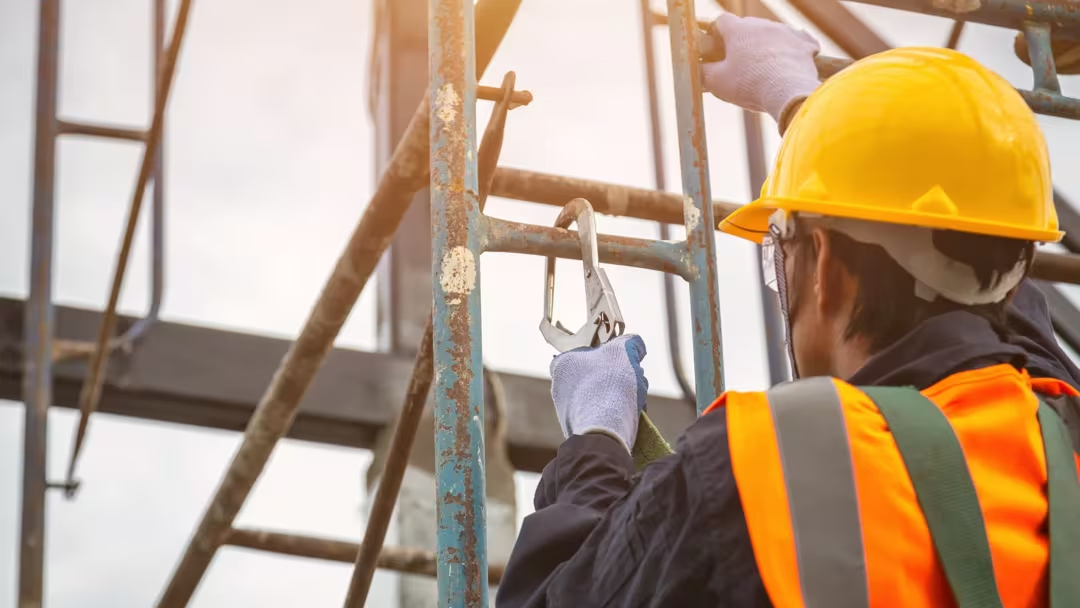
Falls are the leading cause of fatalities in construction, making fall protection a critical safety measure. Providing proper guardrails, safety nets, and personal fall arrest systems is essential to securing worker safety at heights.

Hazard Communication:
Proper labeling and communication about hazardous chemicals are crucial to prevent workplace injuries and illnesses. Employers must ensure workers are informed about chemical hazards through safety data sheets, training, and clear labeling.

Ladders:
Misuse or improper maintenance of ladders can lead to serious injuries or fatalities. Ladders should be kept in good condition, used properly, and comply with OSHA safety standards to prevent accidents.

Control of Hazardous Energy (Lockout/Tagout):
Lockout/tagout procedures are vital to prevent accidental startup of machinery during maintenance or servicing. Proper training and the right equipment are necessary for safely controlling hazardous energy sources.

Respiratory Protection:
Inadequate respiratory protection can expose workers to harmful airborne contaminants. Workers should be equipped with appropriate respirators, undergo fit testing, and receive thorough training to assure their health and safety.
Fall Protection Training:
Proper training is critical for workers to effectively understand and use fall protection systems. Comprehensive education on fall hazards and prevention techniques is vital for maintaining a safe work environment.

Scaffolding:
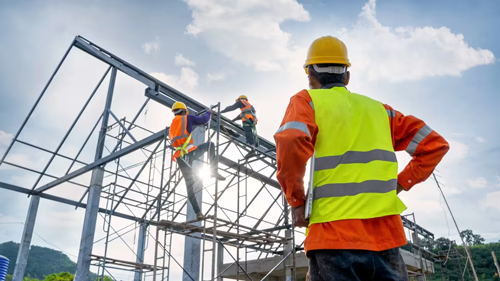
Unsafe scaffolding practices can lead to falls, injuries, and fatalities. Employers must make sure scaffolds are properly erected, inspected, and equipped with guardrails and fall protection systems.

Powered Industrial Trucks:
Improper operation or maintenance of forklifts and other powered industrial trucks can result in serious accidents. Operator training, regular inspections, and proper maintenance are necessary to promote safe use.

Personal Protective and Lifesaving Equipment – Eye and Face Protection:
Eye and face injuries can be prevented with the proper use of protective equipment. Workers should be equipped with and trained to use safety goggles, face shields, and other protective gear to maintain safety.

Machine Guarding:
Unguarded machinery poses a significant risk of severe injuries, including amputations. Proper guards should be installed and maintained on machines to protect workers from moving parts and other hazards.

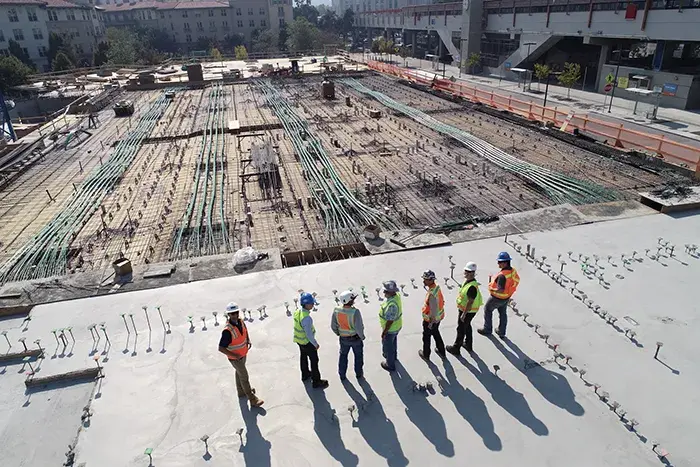
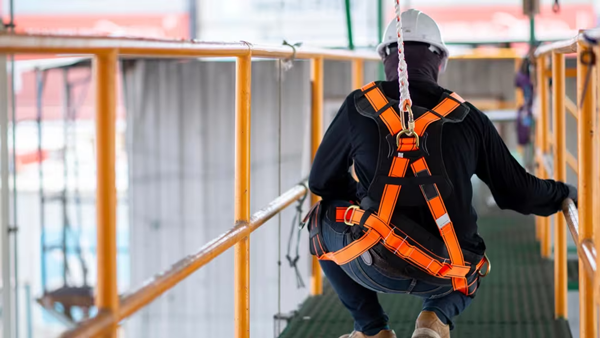
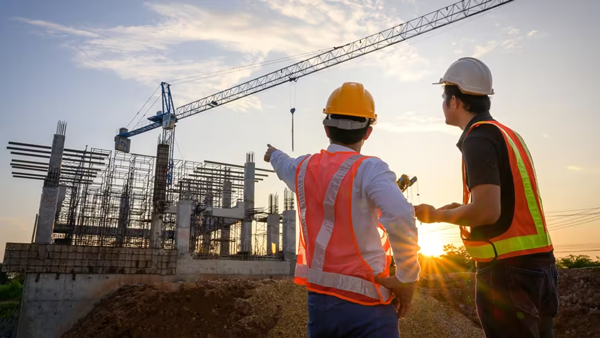
Workplace safety training is a critical part of reducing incidents and improving outcomes. Gallagher Bassett works closely with clients to equip teams with the knowledge and skills needed to identify hazards and take action early.